
What is Synthetic Biology?
In the broad, innovative field of biotechnology, one discipline plays a key role in various industries – synthetic biology. Synthetic biology, often shortened to synbio, uses biotechnological techniques to invent artificial systems, devices, and organisms that are not naturally produced. For this reason, synthetic biology has been coined the “engineering of biology.”
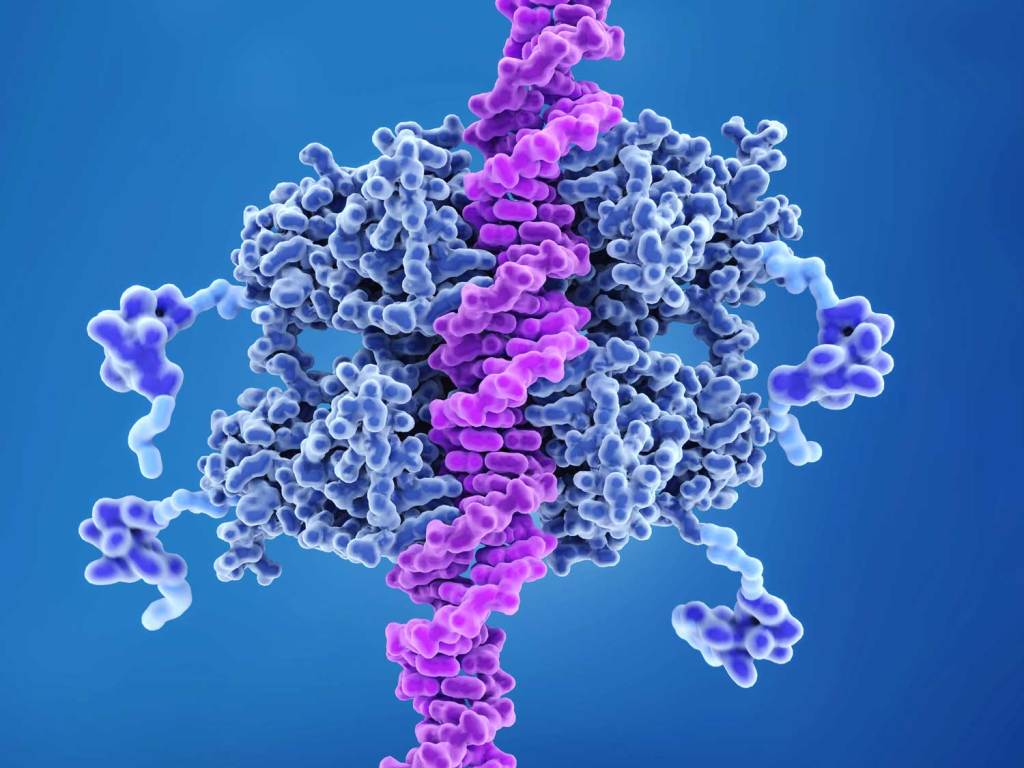
Using microbiology and some computer science, synthetic biology manipulates tiny molecules such as DNA, RNA, and proteins. To this end, synthetic biologists focus on one major goal: to develop standardized genetic parts and assemble them to create new systems and organisms.
Three Core Principles of Synthetic Biology
Like the unchangeable rules of Newton’s Laws or the Pythagorean Theorem, synthetic biology relies on the standardization of genetic parts and processes. The first principle of synthetic biology uses “BioBricks,” which are assembled in various ways to build genetic systems. At the molecular level, these BioBricks include ribosomal binding sites (RBS), promoters, terminators, and coding sequences on regions of DNA. After finding these BioBricks, synthetic biology needs to treat those systems as modular entities, like swapping one color shirt with another. This allows for easy mixing and matching and mostly prevents the danger of unstable organisms. Finally, with all of these components, synthetic biologists can design abstract models that follow a hierarchical pyramid of complexity.
Applications of Synthetic Biology
Focusing primarily on genomic and DNA work, synthetic biology utilizes biotechnology to transfer genes and proteins to improve existing organisms or create new ones.
Healthcare: Synthetic biology offers promising opportunities to produce advanced therapeutics or vaccines. Additionally, engineered microorganisms can synthesize drugs, making medicine more accessible and cost-effective.
Agriculture: By modifying genes in crops to improve pest, disease, and environmental resistance, synthetic biology can enhance production while reducing the use of harmful pesticides.
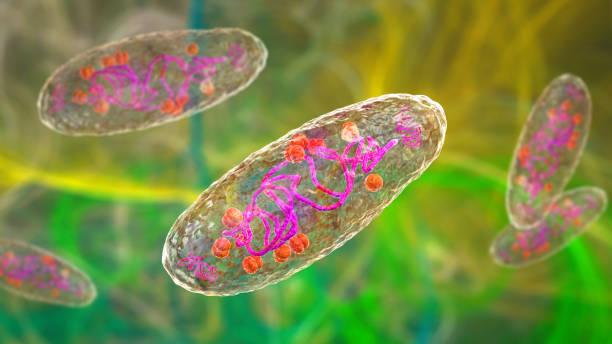
Environmental Conservation and Bioremediation: Research aims to produce renewable biofuels and preserve endangered species. In bioremediation, engineered microorganisms can also degrade toxic oil spills, pollutants, and harmful algae.
Bio-Manufacturing: In place of traditional material manufacturing, synthetic biology uses organisms to produce biodegradable plastics and eco-friendly textiles.
Data Storage: It may sound like science fiction, but scientists are currently researching the information density and stability of DNA for data storage.
Innovation in the Classroom
At Western Reserve Academy, students in the CL Synthetic Biology program and afternoon club publish various synthetic biology designs in the BioTreks journal. Recent projects include the use of bacteria to prevent cavities, the manipulation of enzymes to degrade algae in Lake Erie, the use of modified genes for more resilient rice, and the detection of radiation through engineered pigments.
Sharing many ethical concerns as biotechnology, it is crucial to ensure that the benefits of synthetic biology outweigh the consequences. However, by studying the core principles of standardization, modularity, and abstraction, scientists and students alike are poised to design new organisms that can change our natural world as we know it.
 BioBlab
Leave a comment