
What is Bioengineering?
When you think of Velcro, does Neuralink also come to mind? Maybe not, but there is a connection; both are products of bioengineering! Biological engineering, also known as bioengineering, is a relatively new, interdisciplinary field that merges engineering principles with natural biology. This “jack-of-all-trades” field addresses medical and environmental challenges using a mix of engineering areas.
Bioengineering vs Biomedical Engineering
Bioengineering and biomedical engineering are overlapping (yet distinct) fields that share many objectives. Many consider biomedical engineering a subcategory of bioengineering. However, bioengineering and biomedical engineering have recently begun to differ in breadth.
Bioengineering is a broader discipline; its objective is to apply engineering to living organisms. With areas in gene editing and sustainability, bioengineering hopes to develop solutions for various species and ecosystems.
Biomedical engineering (BME) is often considered a separate field from bioengineering due to its up-and-coming applications. Biomedical engineering specifically tackles healthcare-related challenges; engineers might develop medical devices, artificial organs, or prosthetics. Click here to explore some of the fields of biomedical engineering.
Categories of Bioengineering
Bioengineering encompasses a large collection of specializations. Areas such as tissue engineering, biomechanics, or neuroengineering are also part of biomedical engineering. Here are some major categories of bioengineering:
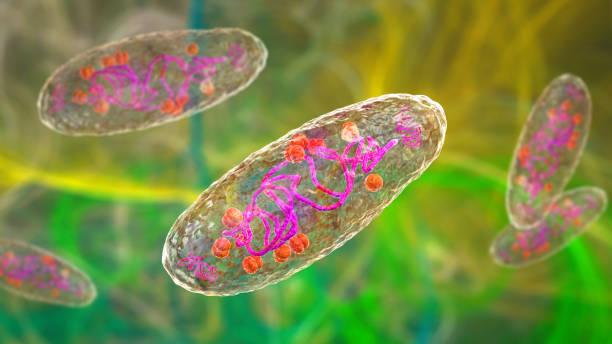
Biochemical engineering: Biochemical engineering applies biochemistry and chemical engineering to cells and microscopic organisms. Using natural processes such as fermentation, these organisms synthesize new health products.
Biomechanics: Biomechanical engineers study tissue and bone behaviors to develop implants or prosthetics in the human body.
Bioinformatics: Bioinformaticists use biology and computer science to analyze data. When applied to genomics, bioinformatics helps researchers to read molecular processes.
Biomimicry: Biomimicry draws inspiration from nature’s processes to develop material, robotic, and architectural technology. Velcro is one example of biomimicry based on the interaction between seed spikes and fur.
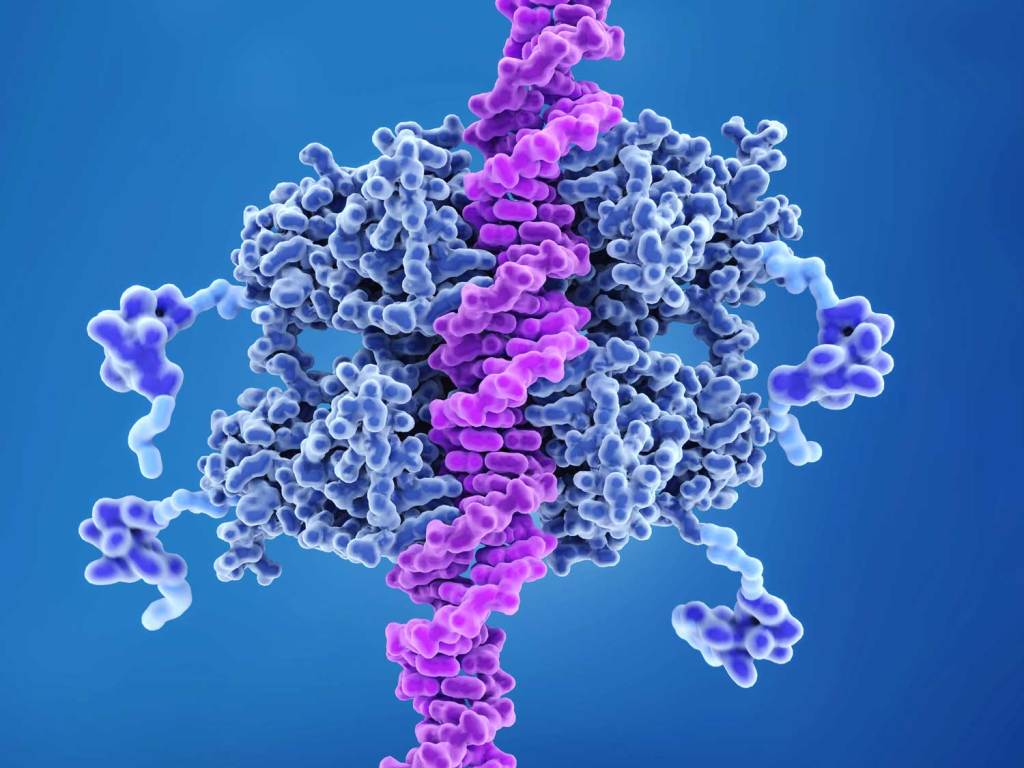
Genetic Engineering: Genetic engineering uses gene editing technologies like CRISPR-Cas9 to modify DNA and create desired traits.
Neural Engineering (Neuroengineering): Neuroengineers construct brain-computer interfaces (BCIs) and prosthetics that control joints and muscles; Elon Musk’s Neuralink implant is one BCI to influence intelligence.
Environmental Bioengineering: Environmental bioengineering applies synthetic biology techniques to sustainable biofuels and remediation.
Tissue Engineering: Tissue engineering creates functional tissues and organs to replace damaged ones. Scientists in this field scaffold materials and culture cells to stimulate tissue regeneration.
The Future of Bioengineering
By merging biology, engineering, and other sciences, bioengineers are one step closer to expanding the boundaries of scientific knowledge. Alongside biomedical engineering, bioengineering offers creative solutions to pressing (and everyday!) challenges.


 BioBlab
Leave a comment