
What is Bioinformatics?
Pop quiz: how many base pairs are in your DNA? Ten thousand? Two million? Would you have ever guessed that there are 6.4 billion base pairs within the human body’s 46 chromosomes?
We know this because of a field bridging biology and data science: bioinformatics. Bioinformatics applies computational techniques to analyze biological data, paving the foundation for groundbreaking lab work.
Scientists began exploring biological data in the 1960s. As technology advanced, the 2003 Human Genome Project forever changed the trajectory of bioinformatics. By mapping a sequence unveiling 90% of the human genome, the Human Genome Project provided the knowledge and funding necessary to advance research. In 2022, the entire human genome was documented, including a rough sequence of the Y chromosome.
Components of Bioinformatics
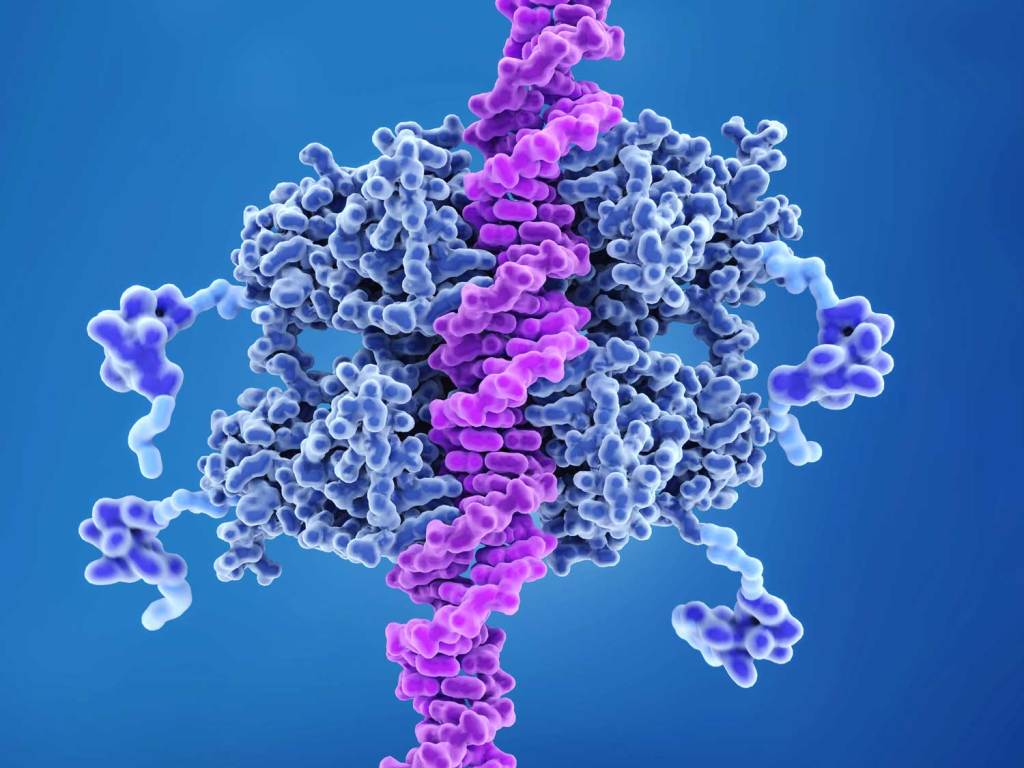
Biological Data: Bioinformatics is based entirely on the availability of data. Bioinformaticists analyze data generated through DNA sequencing, gene expression profiling, and protein structures. With the base pairs adenine, thymine/uracil, cytosine, and guanine (A, T, C, G) as the building blocks of every sequence, similar combinations of letters can be located.
Data Storage and Management: The infinite volume of data requires complex storage systems. Databases such as GenBank, UniProt, and the Protein Data Bank (PDB) store and group information for analysis.
Sequence Analysis: Sequencing programs such as BLAST (Basic Local Alignment Search Tool) are used to compare similarities between DNA/protein sequences. By lining up both sequences and finding shared regions between them, BLAST can compare one sequenced protein to a confirmed sequence of the same protein, matching up every base pair of the sequence.
Structural Bioinformatics: Prior to wet lab work, bioinformatics prescreens drug candidates and cuts down on the number of research targets.
Applications of Bioinformatics
Bioinformatics revolutionizes various industries, including but not limited to:
Comparative Genomics: By comparing the genomes of different species, researchers gain insights into their evolutionary relationship. If you took the sequence of a monkey and the sequence of a human, BLAST would reveal many similarities between the two genomes.
Personalized Medicine: Bioinformatics enables the analysis of genetic changes that cause diseases. This information helps to tailor drugs, medical treatments, and side effects for individual patients, aiming to improve effectiveness.
Synthetic Biology: Bioinformatics helps enhance yield, resistance, and nutrition in crops through genetic engineering. This data also sheds light on microbiomes in biotechnology and environmental conservation.
Future Directions
Currently, advancements in artificial intelligence are creating more efficient algorithms and standards for data analysis. Through improved versions of resources like ChatGPT, automated machine learning will make more accurate predictions in biological research.
At Western Reserve Academy, bioinformatics is a key part of the high school’s Cancer Immunology program. Using Ubuntu or the MacOS terminal, student researchers download a set of tools that can be utilized to analyze sequences of various cancers. Bioinformatics projects in Cancer Immunology examine prostate, breast, skin, and blood cancers to find single nucleotide polymorphisms (SNPs), crucial genomic variants/mutations that lead to suspected cancers. With these findings, projects can begin experiments in the lab that observe the physical development of cancer.
Bioinformatics is a unique convergence of biology, computer science, and statistics. As technology advances and our understanding deepens as to how these disciplines work together, bioinformatics will undoubtedly solve the mysteries of our genetic code.
 BioBlab
Leave a comment