
What is Biotechnology?
Have you eaten a vegan hamburger before? How about cheese or yogurt? As it turns out, between carefully selected proteins and simple fermentation, these foods utilize biotechnology, the application of biological systems or organisms to improve existing processes.
Fundamentally, biotechnology is a blend of biology, chemistry, genetics, and engineering. After microbiologists discovered genes that could be inserted into other organisms in the 1970s, many fields of biology began to use biotechnology to conduct research. From groundbreaking medical discoveries to sustainable agriculture and manufacturing, biotechnology has the potential to transform healthcare, nutrition, and warfare as we know it today.
Colors of Biotechnology
Colors associated with biotechnology are not universally standardized, though certain colors are often informally used to represent the different fields of biotechnology. These colors are chosen based on the connection between biotechnology and the “colored” biological processes of the natural world. Some of the common colors associated with biotechnology include:
Red biotechnology (Medical): Red biotechnology impacts healthcare, aiding in the development of vaccines, therapies, artificial organs/tissue, and antibiotics. Vaccine research is closely related to the fields of microbiology and immunotherapy, while artificial organ research is primarily conducted by tissue or bio(medical) engineers.
Green biotechnology (Environmental): Green biotechnology helps to improve crop yields and pest resistance. To avoid harmful pesticides, genetically modified crops are designed to withstand the environment. Additionally, certain nutrients may be implanted in crops to improve health in malnourished regions. This area is closely related to synthetic biology, where genes or healthy bacteria are introduced into foreign organisms.
White biotechnology (Resources): White biotechnology researches the development of biofuels and similar resources for a sustainable, efficient future. Commonly associated fields include biochemistry and chemical engineering.
Blue biotechnology (Water): Blue biotechnology researches marine resources for aquacultural products and sustainability. In most ecosystems, blue biotechnology is used by marine and synthetic biologists to protect marine species or combat/harvest microalgae.
Yellow biotechnology (Food): As a subset of green biotechnology, yellow biotechnology focuses less on agriculture and more on food production. This area is most closely related to food engineering, where scientists might add various additives to artificial burgers to replicate the taste or nutrition of beef. Other research aims to reduce harmful fat and oil levels in certain foods.
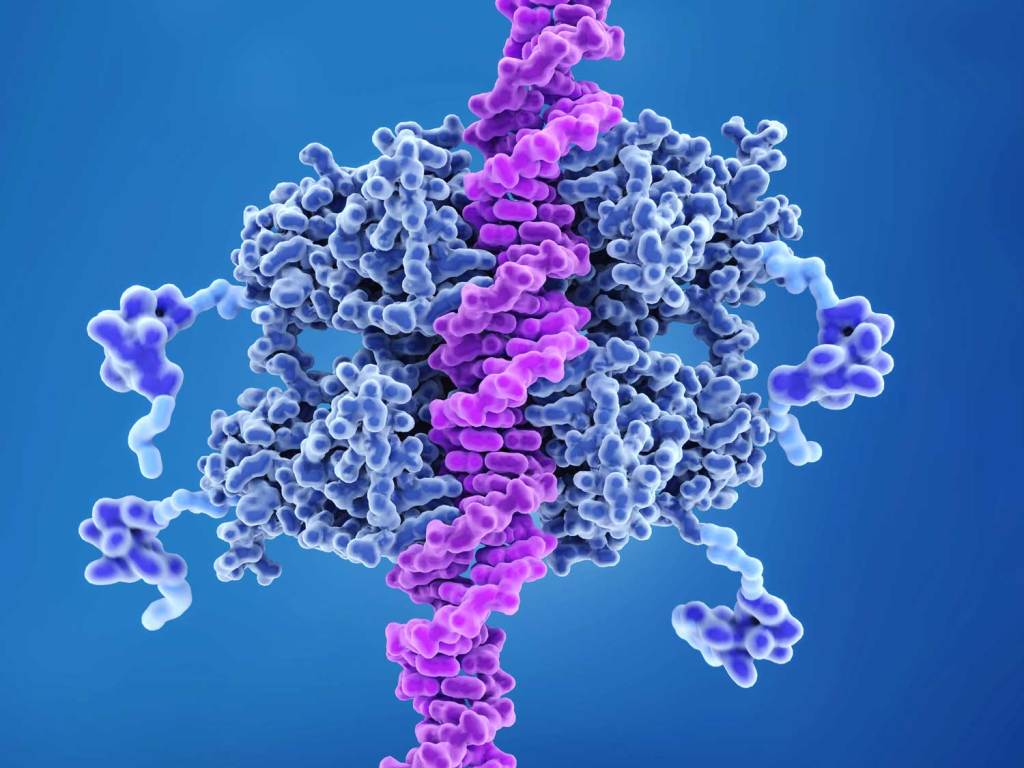
Gold biotechnology (Technology): Gold biotechnology is responsible for obtaining, storing, analyzing, and separating DNA information. Some essential tools include sequencing software (e.g., BLAST), molecular modeling, and gene expression analysis. These visual tools aid in interpreting massive amounts of biological information. More commonly, this color is known as bioinformatics, a tool that is prevalent in bioengineering and cancer immunology.
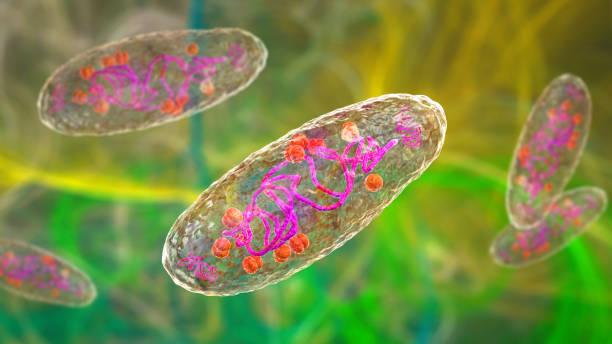
Black/Dark biotechnology (War): Black biotechnology is a small field concentrated on research in biological warfare. These labs harbor incredibly dangerous diseases, bacteria, and toxins capable of mass bioterrorism, for the sole purpose of warfare against other countries or species.
The Future of Biotechnology
While biotechnology brings incredible promise, ethical concerns about genetically modified organisms (GMOs) have made their way into the news; one recent controversy in 2018 included the use of CRISPR-Cas9 to produce human embryos resistant to HIV. Critics also worry about the potential environmental consequences of releasing genetically engineered organisms into the wild; think less about modified groceries and more about a zombie apocalypse! Challenges regarding the equal distribution of biotechnological advancements across the globe also hinder the spread of biotechnology research.
At Western Reserve Academy, common biotechnological techniques such as DNA extraction, polymerase chain reaction (PCR), sequencing, and restriction enzymes are key techniques learned in the set of Cancer Immunology courses. In the CL Synthetic Biology class and afternoon club, published project designs encompass various uses of biotechnology to solve synthetic biology problems.
Despite many controversies, biotechnology in and outside of the classroom holds the potential to address some of the world’s most pressing challenges.
Just no zombies, please.

 BioBlab
Leave a comment