
What is CRISPR-Cas9?
Picture genetically engineering a human in the womb to repair mutations in their DNA. CRISPR-Cas9 is a revolutionary tool that is doing just that: reshaping genetics, medicine, and agriculture as we know them.
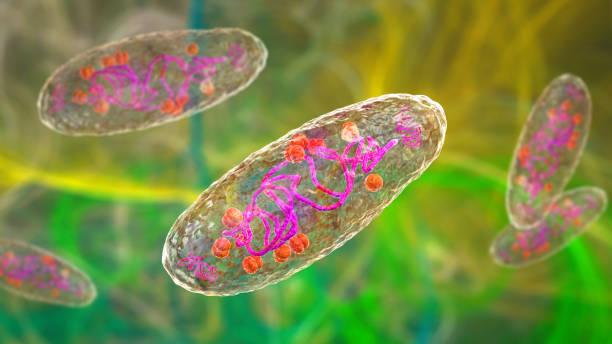
CRISPR (Clustered Regularly Interspaced Short Palindromic Repeats) was discovered by microbiologists studying bacterial genomes. They noticed a peculiar pattern: repeated DNA sequences with gaps of unique genetic sequences. This repetitive structure was named CRISPR, and it is found in the genomes of various microorganisms.
The CRISPR Scissors
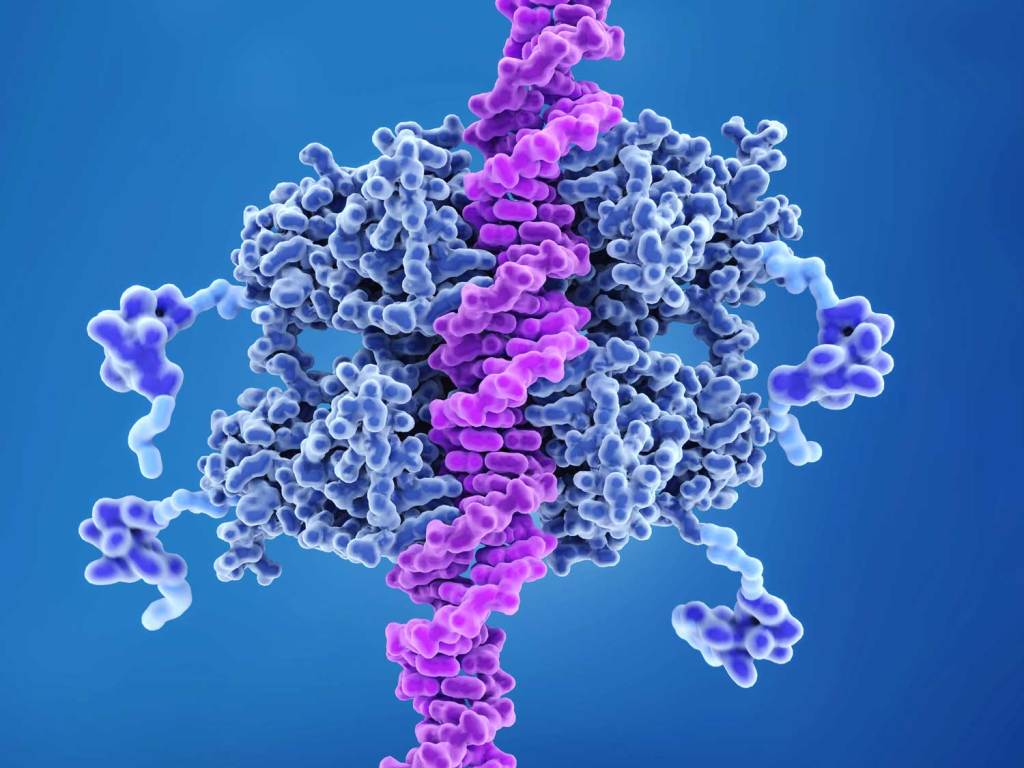
CRISPR-Cas9 is like a pair of molecular scissors; this is due to Cas9, an enzyme that is capable of cutting DNA along precise “dotted lines.” The magic happens when Cas9 is guided to a specific DNA sequence by a small piece of guide RNA, or gRNA. Once Cas9 reaches its target, it makes a cut in the DNA. After a portion of DNA is removed, the cell’s natural repair machinery smooths out the inserted DNA to bring the strands back together.
Applications of CRISPR
Most commonly, CRISPR corrects disease-causing mutations at the DNA level. A CRISPR “knockout” is a technique used to delete part of a sequence, disabling the function of a selected gene and therefore preventing a genetic disorder.
CRISPR also plays a role in personalized therapies, such as editing immune cells in CAR-T cell therapies to better target cancer cells.
In agriculture (green biotechnology), CRISPR has the potential to create crops with improved yield, pest resistance to pests, and nutritional content. By editing the genomes of plants, scientists can address food security and sustainability at once.
The Future of CRISPR
CRISPR is not without its challenges. Off-target effects, where Cas9 unintentionally edits DNA at other locations in the genome, remain a concern. In recent years, research on CRISPR and its alternatives has aimed to address this, producing improved CRISPR systems like CRISPR-Cas12 and CRISPR-Cas13. In time, we should expect to see more reliable, faster systems to manipulate genetic sequences.
One day, this technology might literally reshape your child’s future.
 BioBlab
Leave a comment